The Allergy And Asthma Institute, Pakistan.
Spring is coming spring is coming Birdies built their nests...
About
As the days slowly set in for the new season, I would stand on the fourth floor of my university every day watching the surroundings gradually turn green. Often reminded of the above mentioned poem, I would wear a big smile on my face, thanking my stars that, “they have not shown up yet.” Climbing up to the same place every day had become part of my routine to assess how much the season had set in. On the seventh or eighth day of this drill I realized that it had all started to change. “Oh God what am I going to do now,” I used to say to myself in astonishment. I saw the trees turning green.
Precautions for Allergy and Asthma Patients
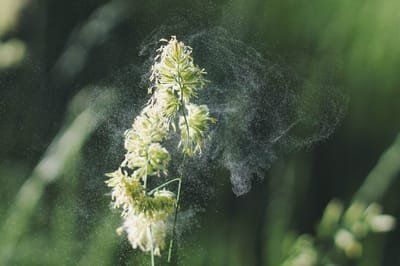
In spring people in Islamabad suffer from pollen allergy due to pollens shedding from Paper Mulberry Trees. A pollen count higher than 1500 is considered to be very high. Unfortunately, each year Islamabad sees the worst of pollen count ever been recorded in the world. A pollen count level higher than 5000, indicated an emergency condition for people sensitive to paper mulberry. The allergic conditions cannot be eliminated altogether, nevertheless, a few precautions can help lessen the severity of symptoms, and can identify a possible emergency situation.
Dos and Don'ts
Following are some Dos and Don'ts that you may want to follow during the pollen and mold seasons to lessen your exposure to the pollens or molds that trigger your allergy symptoms.
DO keep windows closed at night to prevent pollens or molds from drifting into your home. Instead, if needed, use air conditioning, which cleans, cools, and dries the air.
DO minimize early morning activity when pollen is usually emitted-between 5-10 a.m.
DO keep your car windows closed when traveling.
DO try to stay indoors when the pollen count or humidity is reported to be high, and on windy days when dust and pollen are blown about.
DO take a vacation during the height of the pollen season to a more pollen-free area, such as the beach or sea.
DO take medications prescribed by your allergist/immunologist regularly, in the recommended dosage.
DON'T take more medication than recommended in an attempt to lessen your symptoms.
DON'T mow lawns or be around freshly cut grass; mowing stirs up pollens and molds.
DON'T rake leaves, as this also stirs up molds.
DON'T hang sheets or clothing out to dry. Pollens and molds may collect in them.
DON'T grow too many, or overwater, indoor plants if you are allergic to mold. Wet soil encourages mold growth.
Precautions for Allergy and Asthma Patients
In spring people in Islamabad suffer from pollen allergy due to pollens shedding from Paper Mulberry Trees. A pollen count higher than 1500 is considered to be very high. Unfortunately, each year Islamabad sees the worst of pollen count ever been recorded in the world. A pollen count level higher than 5000, indicated an emergency condition for people sensitive to paper mulberry. The allergic conditions cannot be eliminated altogether, nevertheless, a few precautions can help lessen the severity of symptoms, and can identify a possible emergency situation.
- Wear a mask when you go out
- Take the medicines prescribed by your allergy specialist.
- If you have allergy/asthma symptoms and you have not visited a specialist yet, then take out time and visit a specialist soon.
- Drink lots of water to prevent yourself from getting dehydrated.
- While traveling keep your anti-allergy medicines and inahlers with you.
Dos and Don'ts
Following are some Dos and Don'ts that you may want to follow during the pollen and mold seasons to lessen your exposure to the pollens or molds that trigger your allergy symptoms.
DO keep windows closed at night to prevent pollens or molds from drifting into your home. Instead, if needed, use air conditioning, which cleans, cools, and dries the air.
DO minimize early morning activity when pollen is usually emitted-between 5-10 a.m.
DO keep your car windows closed when traveling.
DO try to stay indoors when the pollen count or humidity is reported to be high, and on windy days when dust and pollen are blown about.
DO take a vacation during the height of the pollen season to a more pollen-free area, such as the beach or sea.
DO take medications prescribed by your allergist/immunologist regularly, in the recommended dosage.
DON'T take more medication than recommended in an attempt to lessen your symptoms.
DON'T mow lawns or be around freshly cut grass; mowing stirs up pollens and molds.
DON'T rake leaves, as this also stirs up molds.
DON'T hang sheets or clothing out to dry. Pollens and molds may collect in them.
DON'T grow too many, or overwater, indoor plants if you are allergic to mold. Wet soil encourages mold growth.
Schedule Booking
Contact
- 257 Gomal Road, E-7, Islamabad, Pakistan